Skip to Content

Shatavari

Scientific Name: Asparagus racemosus

Shatavari, scientifically known as Asparagus racemosus, is a perennial herb native to India and other parts of Asia. Renowned in Ayurvedic medicine, it is often referred to as the "queen of herbs" for its numerous health benefits, particularly for women's reproductive health. The plant features slender, arching stems and small, needle-like leaves, with clusters of white, fragrant flowers that develop into small berries. Shatavari is celebrated for its adaptogenic properties, helping to balance hormones, enhance fertility, and support lactation. Additionally, it possesses antioxidant and anti-inflammatory effects, making it a valuable addition to holistic wellness practices.

Botanical Information


  • Scientific Name: Asparagus racemosus
  • Common Name(s):
    • English: Shatavari, Wild Asparagus
    • Hindi: Shatavari
    • Marathi: Shatavari
    • Kannada: Majjige gida
    • Tamil: Thanneervittan kilangu
    • Malayalam: Satavari
    • Telugu: Pilli gaddalu
  • Family and Genus:
    • Family: Asparagaceae
    • Genus: Asparagus
  • Synonyms:
    • Asparagus sarmentosus
    • Asparagus gonocladus
  • Botanical Classification:
    • Kingdom: Plantae
    • Division: Angiosperms
    • Class: Monocotyledons
    • Order: Asparagales
    • Family: Asparagaceae
    • Genus: Asparagus
    • Species: racemosus
  • Morphology:
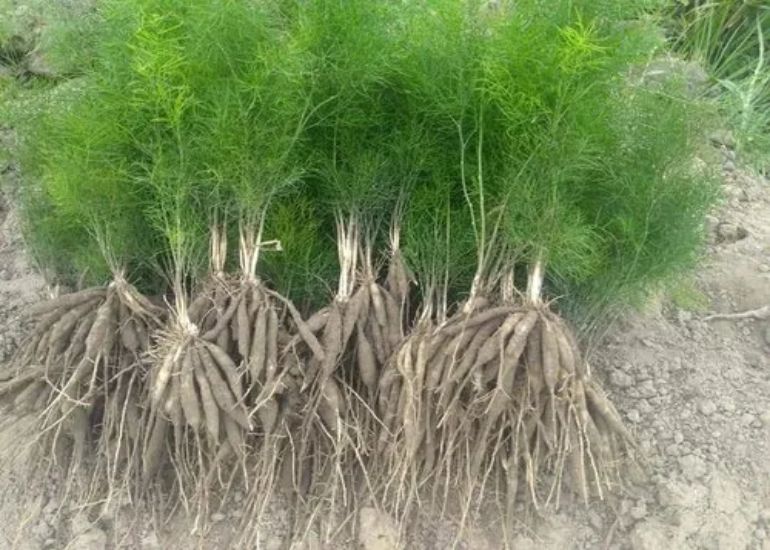
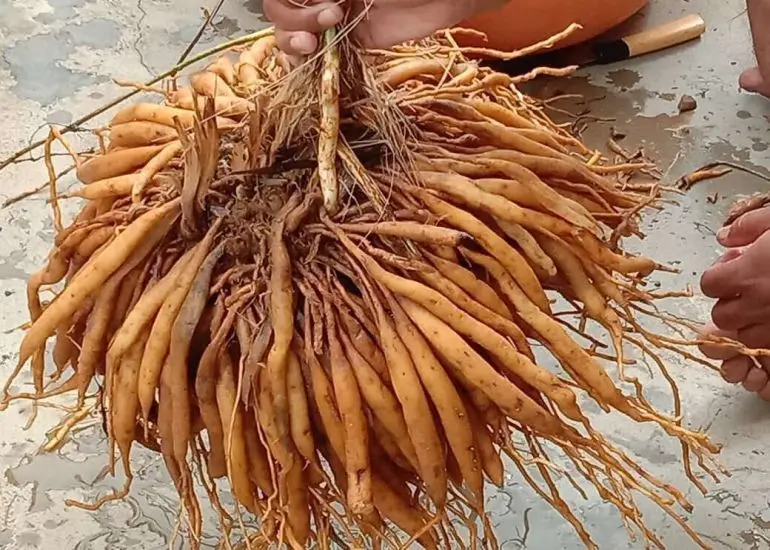
    • Shatavari is a perennial climbing herb with slender, thorny, and wiry branches. The plant has small needle-like leaves that resemble pine needles, and it produces small white flowers and red berries. The underground part is a tuberous root system with fleshy roots.
  • Regional Names:
    • Hindi: Shatavari
    • Marathi: Shatavari
    • Gujarati: Shatavari
    • Bengali: Satamuli
    • Tamil: Thanneervittan kilangu
    • Malayalam: Satavari
    • Telugu: Pilli gaddalu
  • Sanskrit Synonyms:
    • Shatavari (possessor of a hundred husbands)
    • Bahusuta (one with many children)
    • Narayani (belonging to Goddess Narayani)
    • Sukshmapatra (having fine leaves)
Physical Description


  • Plant Type: Perennial climbing herb.
  • Size and Growth:
    • Height: 1–2 meters tall.
    • Spread: Approximately 1–1.5 meters wide.
  • Growth Habit: Twining and climbing with a bushy appearance.
  • Foliage:
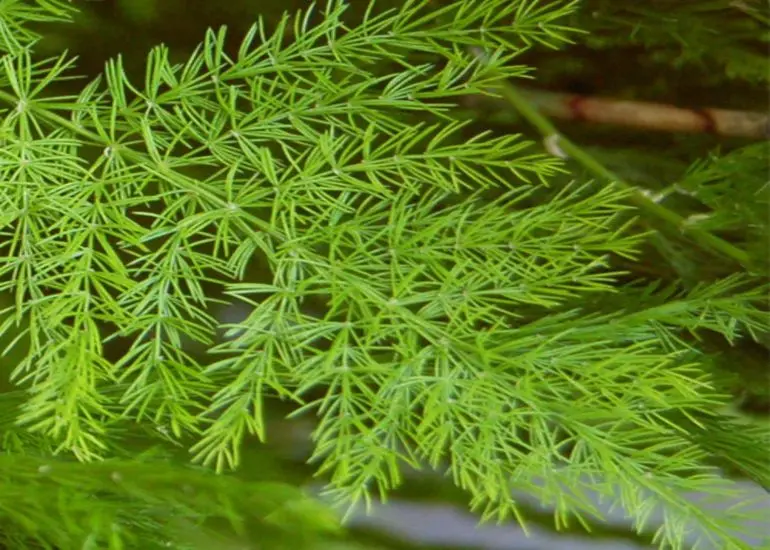
    • The leaves are small, needle-like cladodes (modified stems) arranged in clusters.
    • Color: Green with a glossy texture.
    • Shape: Linear, thin, and needle-like.
  • Flowers:
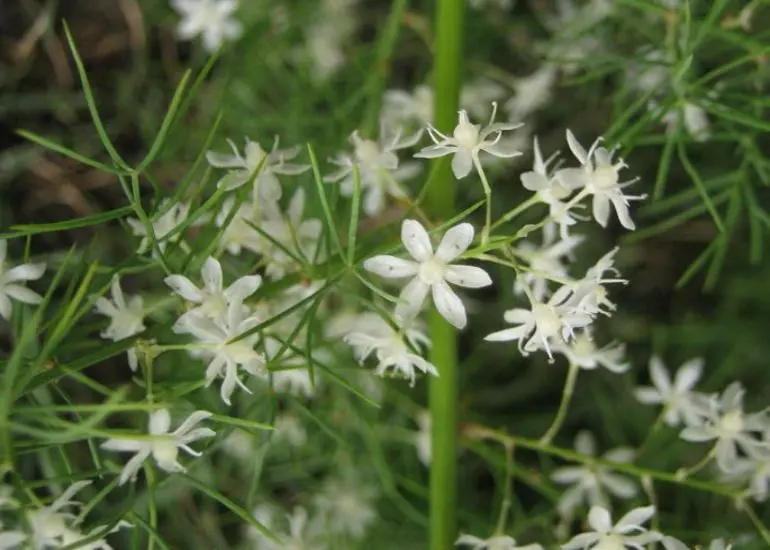
    • Color: Small, white, and fragrant.
    • Shape: Bell-shaped, borne in clusters along the stem.
    • Blooming Period: July to August.
  • Fruits/Seeds:
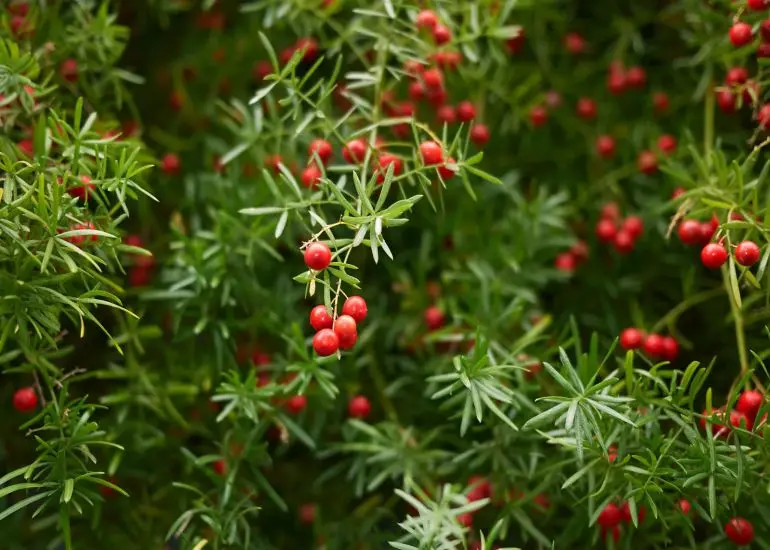
    • Fruits: Small, round berries that turn red upon ripening.
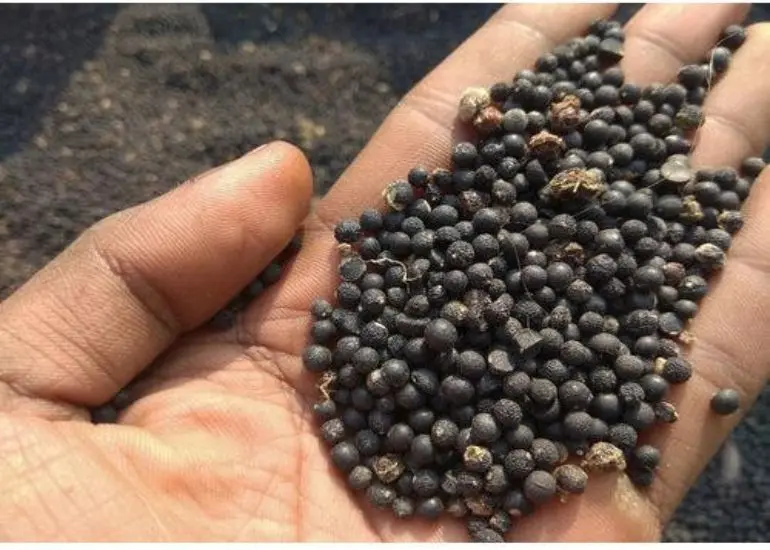
    • Seeds: Black, round, and hard with a tough seed coat.
    • Edibility: Fruits are not edible.
  • Special Features:
    • Adaptable to a wide range of soil types, including dry and rocky areas.
    • Drought-resistant.
  • Flowering Period: July–August.
  • Fruiting/Seeding Period: September–October.
  • Seed Viability Period: Seeds remain viable for about 6–8 months if stored in dry conditions.
  • Habitat:
    • Grows naturally in tropical and subtropical forests, grasslands, and hilly regions. Prefers semi-arid environments and is found in rocky and gravelly soils.

Leaf

Flower

Fruit

Seed

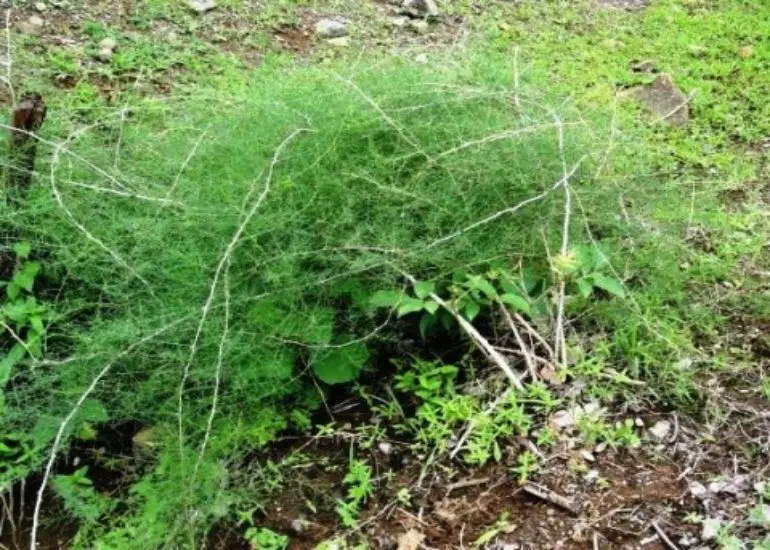
In natural habitat

Ecological & Gographical Information

Ecological and Geographic Information

  • Native Habitat:
    • Native to the Indian subcontinent, particularly found in tropical and subtropical forests.
    • Commonly seen in dry, deciduous forests, hilly terrains, and rocky areas.
  • Range:
    • Found across India, Nepal, Sri Lanka, and parts of Southeast Asia. It also grows in some regions of Africa and Australia.
  • Ecological Role:
    • The plant plays an important role in soil stabilization, particularly in arid and semi-arid regions, due to its extensive root system.
    • It supports biodiversity by providing habitat and food for small pollinators like bees, butterflies, and certain insects.
    • Its dense growth helps conserve soil moisture and prevents erosion.

Cultivation & Care

Propagation

  • Methods:
    • Shatavari can be propagated through seeds and root cuttings.
    • Seeds are commonly used for commercial cultivation.
    • Root division is an effective method for home gardening or smaller-scale propagation.
  • Best Season:
    • Seeds: Best sown at the beginning of the monsoon season (June–July).
    • Root Division: Ideal during early spring or just before the monsoon season.
  • Tips:
    • Soak seeds in water for 24 hours before sowing to improve germination.
    • Use well-drained sandy or loamy soil for faster establishment.
    • Treat seeds with fungicide to avoid fungal infections during germination.
    • Rooting hormones can be applied to root cuttings to enhance success rates.

Cultivation

  • Is it Cultivable?
    Yes, Shatavari is highly cultivable and thrives in tropical and subtropical regions. It is suitable for both commercial and medicinal farming.
  • Method of Cultivation:
    • Land Preparation:
      • Plow the land 2–3 times to create a fine tilth.
      • Incorporate well-decomposed organic manure (10–15 tonnes/acre) into the soil.
    • Plantation Spacing:
      • Maintain a spacing of 60 cm x 60 cm between plants.
    • Planting:
      • Seeds or root cuttings are planted at a depth of 2–3 cm in the soil.
    • Mulching:
      • Apply organic mulch (such as straw or dry leaves) to retain soil moisture and control weeds.
  • Soil Requirement:
    • Prefers well-drained sandy loam or red soils rich in organic matter.
    • Soil pH: Between 6.0 and 7.5.
  • Water Requirement:
    • Requires moderate watering.
    • Frequency:
      • Irrigate immediately after planting and then water once every 7–10 days during dry periods.
      • Reduce watering during the rainy season to avoid waterlogging.
  • Sunlight Requirement:
    • Requires partial to full sunlight.
    • Grows well under 4–6 hours of sunlight daily.
  • Recommended Fertilizers:
    • Organic manure (10–15 tonnes/acre).
    • NPK fertilizers can be applied at 50:40:30 kg/ha for optimal growth.
    • Fertilizers should be applied in two split doses: at the time of planting and after 3–4 months.
  • Pruning and Maintenance:
    • Regular weeding is necessary during the initial growth phase.
    • Remove dried or damaged leaves to encourage healthy growth.
    • Apply mulching to control weeds and retain soil moisture.
  • Month/Period of Plantation:
    • Best planted during the monsoon season (June–July).
  • Month/Period of Harvest:
    • The first harvest of roots can be done after 18–24 months of planting.
  • Yield Per Acre:
    • On average, 3–4 tonnes of roots per acre can be harvested annually under ideal conditions.
  • Parts Used:
    • Tuberous roots are the primary part used for medicinal purposes.
    • Shoots are sometimes used as vegetables in some regions.
  • Method of Collection:
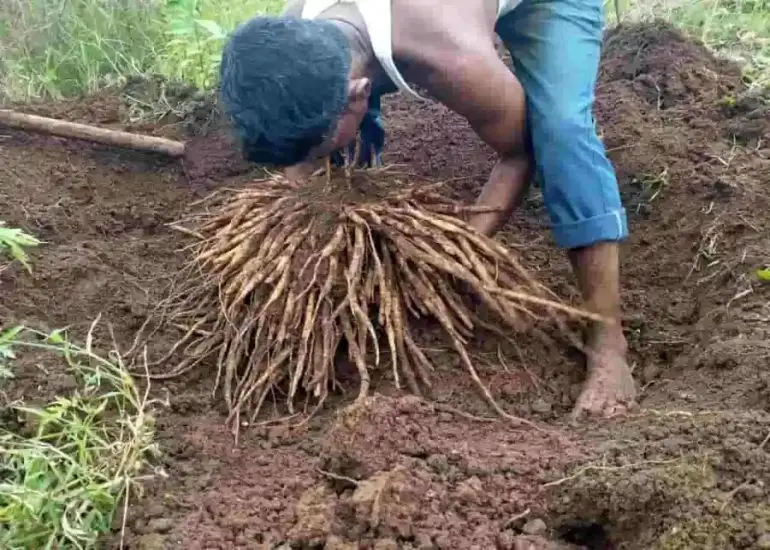
    • Roots are dug out carefully without damaging the main rootstock.
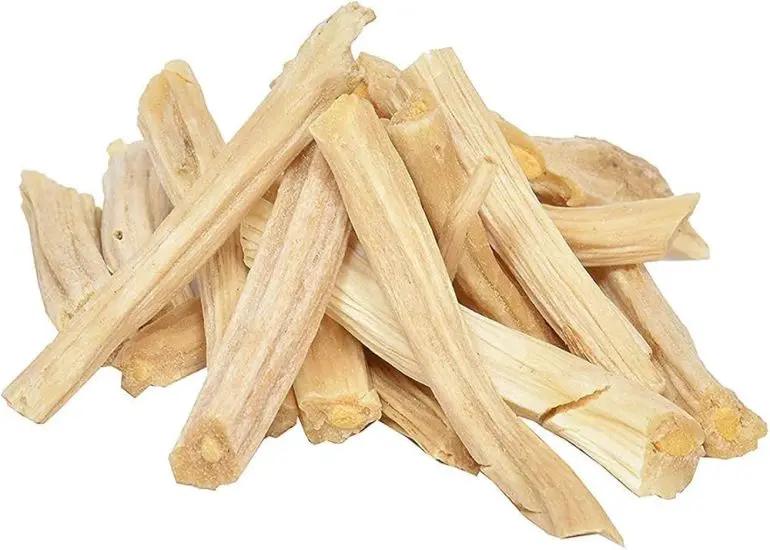
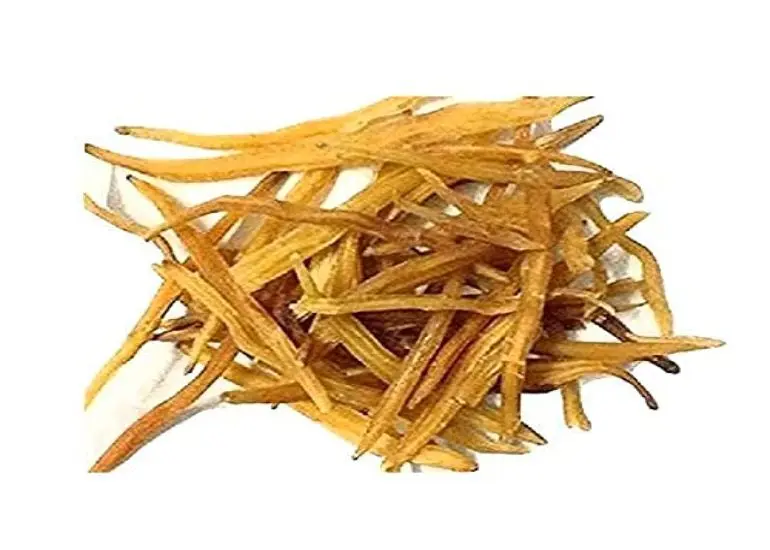
    • After harvesting, roots are washed, cut, and dried for further use.
  • Month of Collection:
    • Roots are typically collected in October–November after the plant matures.

Pests and Diseases

  • Prone to Diseases:
    Yes, Shatavari is prone to certain pests and diseases, though it is relatively hardy.
  • Common Pests:
    • Aphids
    • Root-knot nematodes
    • Caterpillars
  • Diseases:
    • Fungal Diseases:
      • Root Rot: Caused by waterlogging or poor drainage.
      • Leaf Spot: Fungal spots on leaves due to high humidity.
    • Bacterial Diseases: Wilt and blight.
  • Disease Management:
    • Preventive Measures:
      • Ensure proper drainage to avoid waterlogging.
      • Use disease-free seeds or root cuttings.
      • Rotate crops to prevent nematode infestation.
    • Remedies:
      • Apply neem oil or other bio-pesticides to control aphids and caterpillars.
      • Treat fungal infections with Bordeaux mixture or fungicides like Mancozeb.
      • Use Trichoderma-based biocontrol agents for soil-borne diseases.

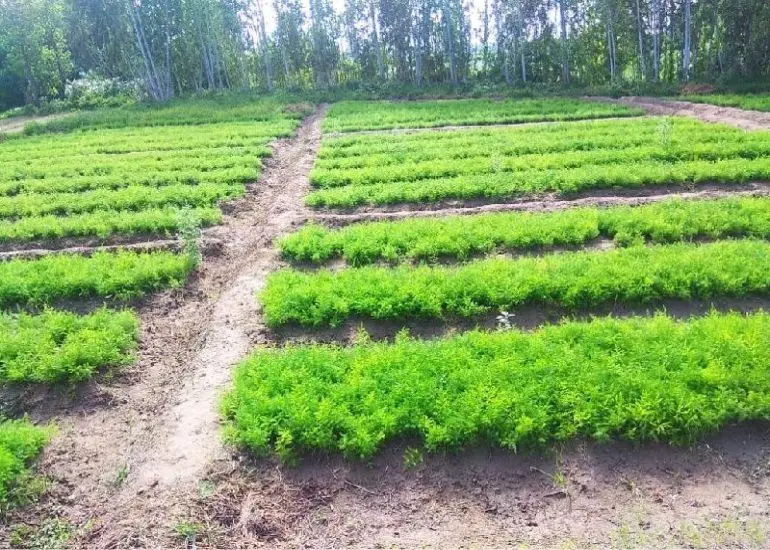
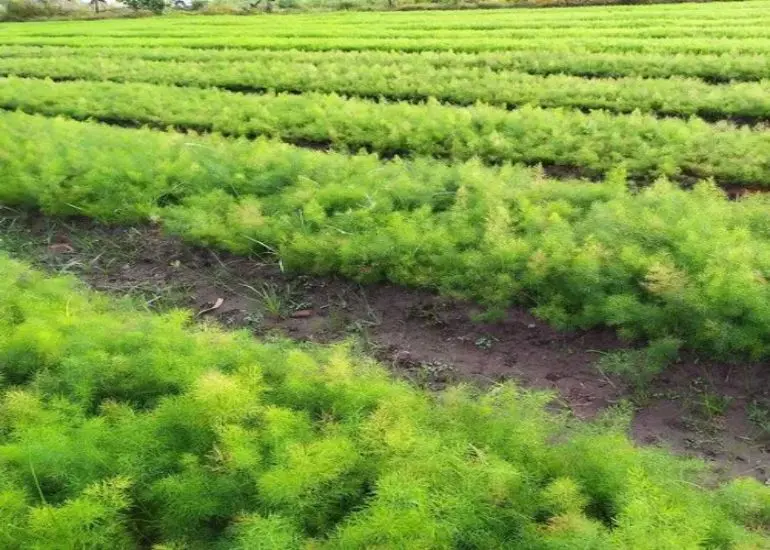
Sapling Preparation

Farming

Harvesting

Harvest

White Shatavari

Yellow Shatavari

Uses & Applications

Medicinal Applications

  • Application in Medication Systems:
    • Ayurveda: Widely used as a Rasayana (rejuvenating) herb for its adaptogenic and rejuvenating properties.
    • Siddha: Used for its anti-inflammatory and lactation-enhancing benefits.
    • Unani: Prescribed for gastrointestinal ailments and general debility.
    • Folk Medicine: Used in traditional remedies for infertility, urinary tract infections, and nervous disorders.
    • Chinese Medicine: Not a major herb but occasionally used for its cooling and restorative properties.
  • Medicinal Use:
    • Acts as an immunomodulator and enhances overall immunity.
    • Used in the treatment of female reproductive disorders like menstrual irregularities, infertility, and menopause symptoms.
    • Effective in treating gastric ulcers and promoting digestive health.
    • Helps in increasing lactation in breastfeeding mothers.
    • Beneficial for respiratory issues, such as coughs and bronchitis.
    • Known to reduce stress and anxiety due to its adaptogenic properties.
  • Chemical Constituents:
    • Saponins: Shatavarin I–IV (the primary active compounds).
    • Isoflavones: Natural phytoestrogens.
    • Alkaloids: Asparagine, which has diuretic properties.
    • Flavonoids: Antioxidant compounds.
    • Polysaccharides: Contribute to its immune-boosting effects.
  • Medicinal Properties:
    • Adaptogenic
    • Anti-inflammatory
    • Anti-ulcerogenic
    • Antioxidant
    • Diuretic
    • Galactagogue (promotes milk production)
    • Immunomodulatory
  • Medicinal Properties as per Ayurveda:
    • Rasa (Taste): Madhura (sweet), Tikta (bitter).
    • Guna (Qualities): Snigdha (unctuous), Guru (heavy).
    • Virya (Potency): Shita (cooling).
    • Vipaka (Post-digestive effect): Madhura (sweet).
    • Balances Pitta and Vata doshas.
  • Classical Categorization:
    • Classified under Rasayana Dravyas (rejuvenating substances).
    • Mentioned in the Brihat-Trayi texts (Charaka Samhita, Sushruta Samhita, Ashtanga Hridaya).
  • Descriptions in Ancient Literature with Shlokas:
    • Charaka Samhita:
      “क्षीरबलामक्ल्माशपित्तहृत् शतावरी।”
      (Shatavari is nourishing, increases strength, and pacifies Pitta disorders).
    • Sushruta Samhita:
      "वृष्या बाल्या पित्तास्रकफहराः शतावरी प्रशस्ता।"
      (Shatavari promotes virility, youthfulness, and pacifies Kapha and Pitta).
  • Mention in Other Medication Systems:
    • In Siddha medicine, Shatavari is used as a coolant and diuretic herb.
    • Unani practitioners use it for its emollient and aphrodisiac properties.
  • Veterinary Uses:
    • Used to enhance milk production in cattle.
    • Roots are given to animals to improve fertility and general health.

Other Applications

  • Culinary Use:
    • Tender shoots of Shatavari are sometimes used as a vegetable in traditional recipes.
    • Can be steamed or stir-fried, similar to common asparagus.
  • Industrial Use:
    • Roots are used in the production of pharmaceutical formulations, health supplements, and herbal teas.
    • Extracts are used in cosmetics for their anti-aging properties.
  • Ornamental Use:
    • The plant's climbing and bushy nature make it suitable for garden borders and landscaping.
    • Can also be grown in pots as a decorative plant.
  • Cultural Significance:
    • In some Indian traditions, Shatavari is considered sacred and used in rituals for its nourishing qualities.
    • Symbolizes fertility and prosperity in some regions.

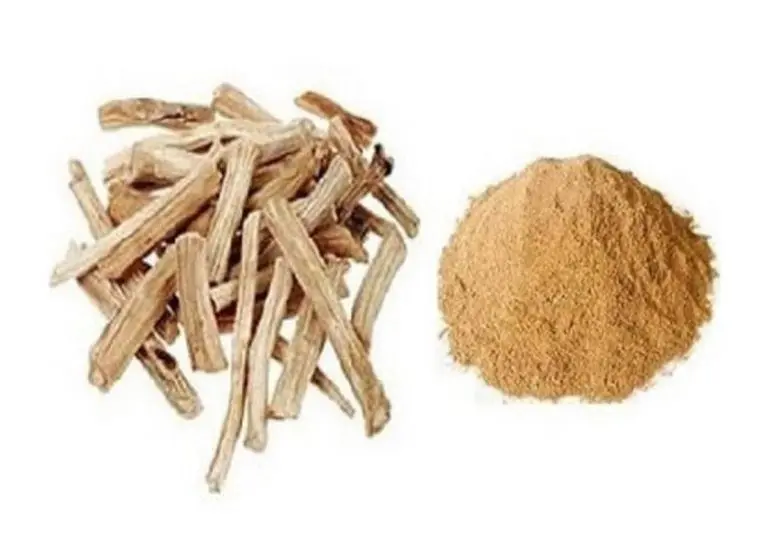
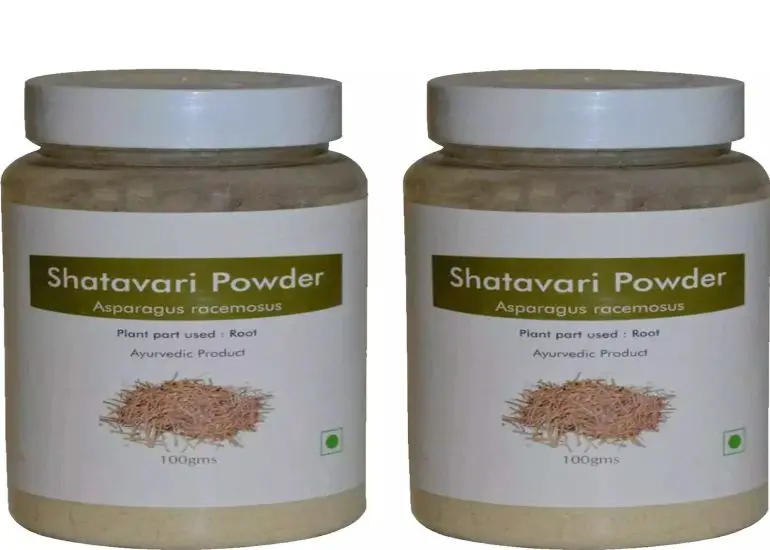
Shatavari Powder

Shatavari Powder

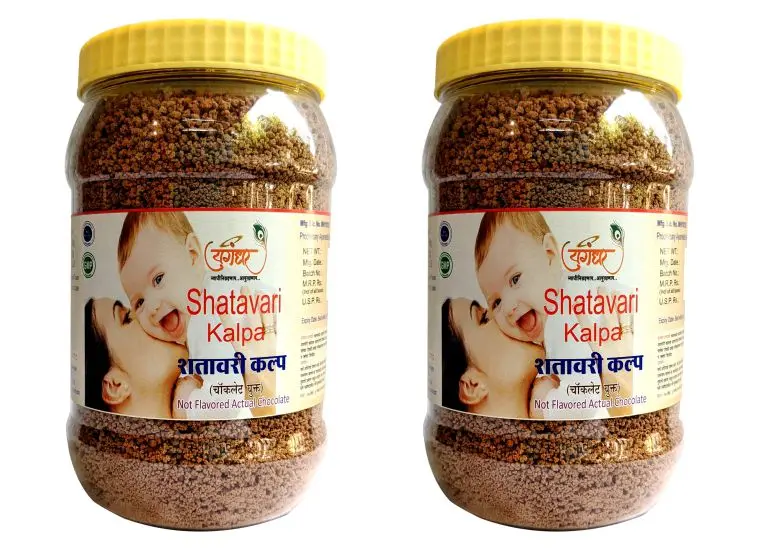
Shatavari Kalp

Commercial Uses

  • Demand in Local and Global Market:
    • High demand in the Ayurvedic and herbal medicine industry for its adaptogenic and reproductive health benefits.
    • Exported to countries like the USA, Japan, and European nations.
  • Parts Used for Commercial Uses:
    • Tuberous roots (main part used in medicine and supplements).
  • Method of Collection:
    • Roots are manually dug out, cleaned, and sun-dried.
  • Month of Collection:
    • Harvesting is done during October–November, after the plant has matured for 18–24 months.
  • Sales Methods:
    • Roots are sold dried or powdered in bulk to pharmaceutical and herbal companies.
    • Available in processed forms such as capsules, tablets, and syrups in retail markets.

Conservation Status

  • Role in Biodiversity:
    Shatavari (Asparagus racemosus) plays an important role in biodiversity by contributing to soil stabilization and ecosystem health. Its extensive root system prevents soil erosion, especially in its native habitats of forested and arid regions. Additionally, the plant supports biodiversity by providing nectar to pollinators like bees and butterflies, making it a valuable species for maintaining ecosystem balance.
  • IUCN Status:
    As of now, Shatavari is classified as "Least Concern" (LC) by the IUCN. However, localized populations in certain regions are at risk due to overharvesting and habitat degradation.
  • Threats:
    • Habitat Destruction: Deforestation and land-use changes have resulted in the loss of its native habitat.
    • Overharvesting: High demand for its medicinal properties has led to unsustainable collection from the wild.
    • Climate Change Impacts: Changes in precipitation patterns and rising temperatures affect its natural growth cycles.

Other Interesting information

  • Historical Anecdotes:
    • Shatavari has been mentioned in ancient Indian texts like the Charaka Samhita and Sushruta Samhita, highlighting its importance as a medicinal herb for thousands of years.
    • The name "Shatavari" translates to "one who possesses a hundred husbands," symbolizing its reputation for enhancing fertility and vitality in women.
    • During ancient times, it was used as a restorative tonic for warriors after battles, helping them recover from injuries and fatigue.
  • Noteworthy Hybrids or Cultivars:
    • While there are no widely recognized hybrids of Asparagus racemosus, other species in the Asparagus genus (e.g., Asparagus officinalis) are cultivated for culinary and ornamental purposes.
  • Animal-Friendly:
    • Shatavari is considered safe for animals and is often used in veterinary medicine to improve lactation in livestock.
    • It is also non-toxic to pollinators like bees, butterflies, and birds, contributing to a healthy ecosystem.
  • Chemical:
    • Contains bioactive compounds like saponins (Shatavarin I–IV), alkaloids, and flavonoids that are responsible for its medicinal properties.
    • The plant has natural antioxidant and anti-inflammatory chemicals that are increasingly being studied for pharmaceutical applications.

References

  1. Charaka Samhita, Chikitsa Sthana – Ayurvedic texts.
  2. Sushruta Samhita, Sutrasthana – Ayurvedic texts.
  3. The Ayurvedic Pharmacopoeia of India, Government of India.
  4. Peer-reviewed studies on Asparagus racemosus published in journals like Journal of Ethnopharmacology.
  5. IUCN Red List: Current status of Asparagus racemosus.

Wanna buy this plant 

or  wish to cultivate

For farming guidance and consultancy contact us. To buy plant visit our e-store


Our store Contact us

Connecting people with nature

Join us in our mission to catalogue plant species and promote biodiversity. We focus on creating a comprehensive resource for plant enthusiasts and researchers alike.

We need your help in updating this database

Join the movement to conserve nature and litrate about nature 


How you can contribute

Share

Share images and information of plants, trees etc.

Volunteer

Volunteer in activities associated for plant database and plantation activities conducted by us.

Sponcer

Sponsor or donate for activities associated for plant database and plantation activities conducted by us.